
Permagard Pretreatment Is Essential for Proper Aircraft Paint Protection
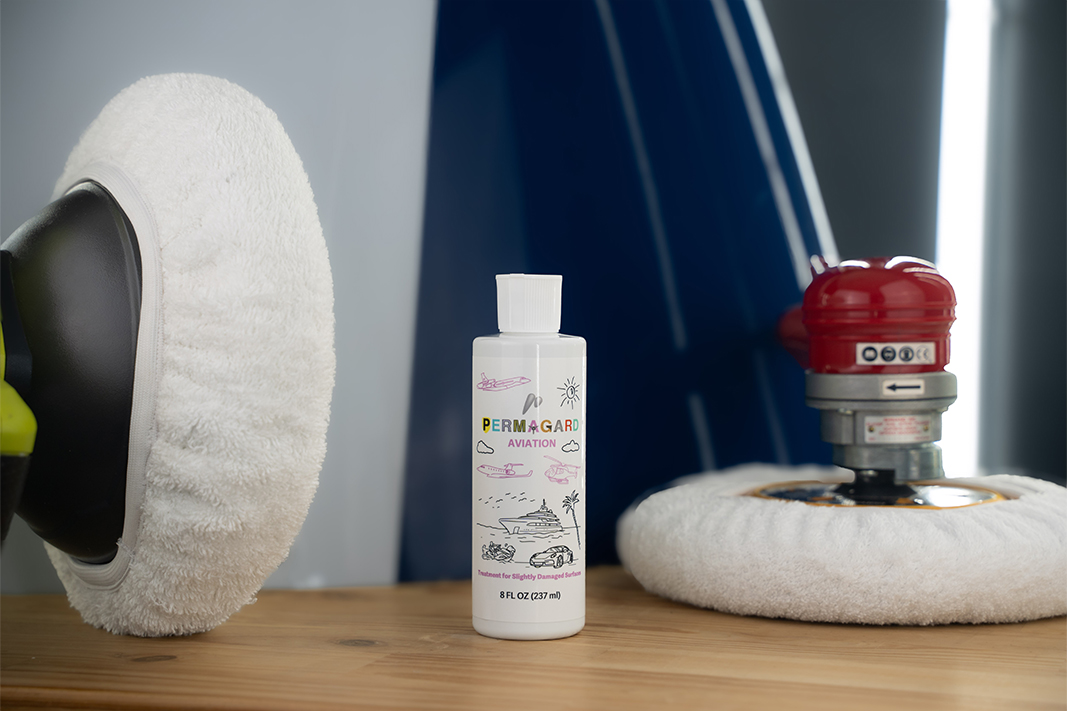
Assessing a paint system’s condition is the foundation of a successful Permagard application. While the Permagard Coating delivers unmatched gloss, protection, and durability, its performance ultimately depends on how well the surface is prepped beforehand. This is where the Permagard Pretreatment plays a crucial role in aircraft paint protection.
The Permagard paint protection system was engineered to create a highly durable, long-lasting molecular bond with aircraft topcoats. Assessing the aircraft’s paint condition and determining which Permagard Pretreatment needs to be used is imperative in order to achieve the ultimate finish that Permagard is famous for. Whether you’re treating a costly aircraft, an exotic vehicle, or a colossal yacht, the Permagard Pretreatment ensures the Permagard Coating delivers its full benefits and capabilities.
Why the Permagard Pretreatment Matters
The Permagard Coating reacts at a molecular level with painted surfaces to form a highly-durable, high-gloss protective layer against UV radiation and environmental attacks. However, the presence of waxes, silicone, oxidation, fuel residue, airborne contaminants, or embedded particles can negatively affect the appearance of the Permagard signature “wet-look” finish, if the paint system is not brand new or newly painted.
The Permagard Pretreatment eliminates these obstacles entirely by:
Deep Cleansing
Removes all surface oils, waxes, and residues that interfere with molecular bonding.
Contaminant Breakdown
Breaks down stubborn contaminants that standard washing procedures cannot remove.
Surface Preparation
Prepares the paint’s microscopic pores for efficient molecular bonding.
Enhanced Clarity
Ensures consistent gloss, clarity, and depth of shine across the entire surface.
Micro-Scratch Filling
Fills in micro-scratches that appear from frequent washing techniques.
Because the pretreatment creates the ideal chemical environment for the coating, paint correction is usually never required before applying the Permagard Coating. Paint correction is only necessary on areas where gloss is no longer present or where too many micro-scratches have affected the overall paint clarity. Light surface imperfections do not prevent effective bonding, and the Permagard Coating’s gloss-enhancing properties visually minimize many minor paint flaws.
The Permagard Process When Using Pretreatments
Achieving the signature Permagard finish requires a methodical approach. Here’s how certified applicators ensure flawless results every time.
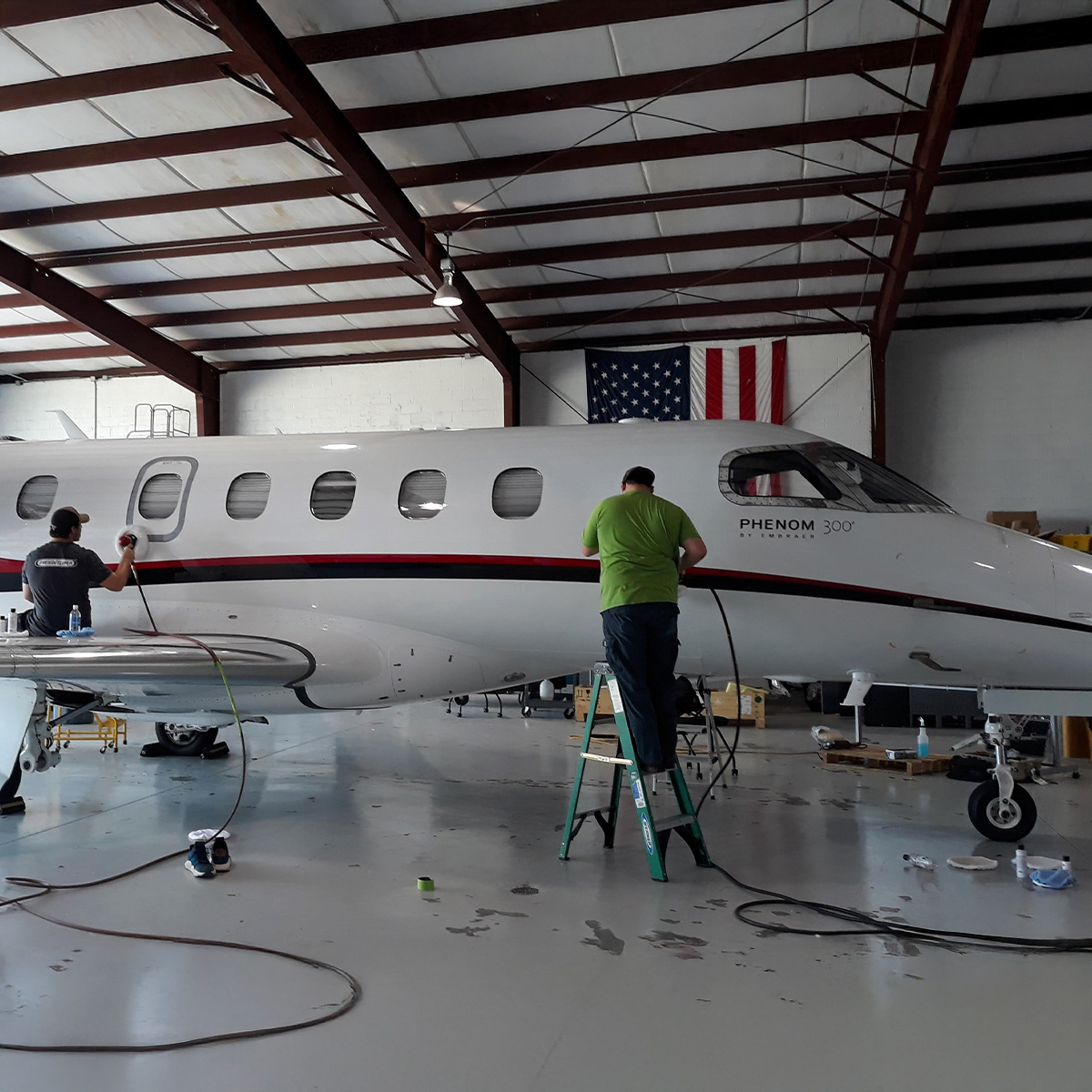
Thorough Cleaning
Every Permagard application begins with an intensive wash to remove surface dirt, organic buildup, oils, and flight residue. Aircraft surfaces require a degreasing stage to remove hydraulic fluid, jet fuel film, and environmental impurities. The Permagard Multipurpose Cleaner is also an excellent product for prepping aircraft surfaces for a Permagard application and can be used during a wet wash or for dry washes (aircraft wipe-downs).
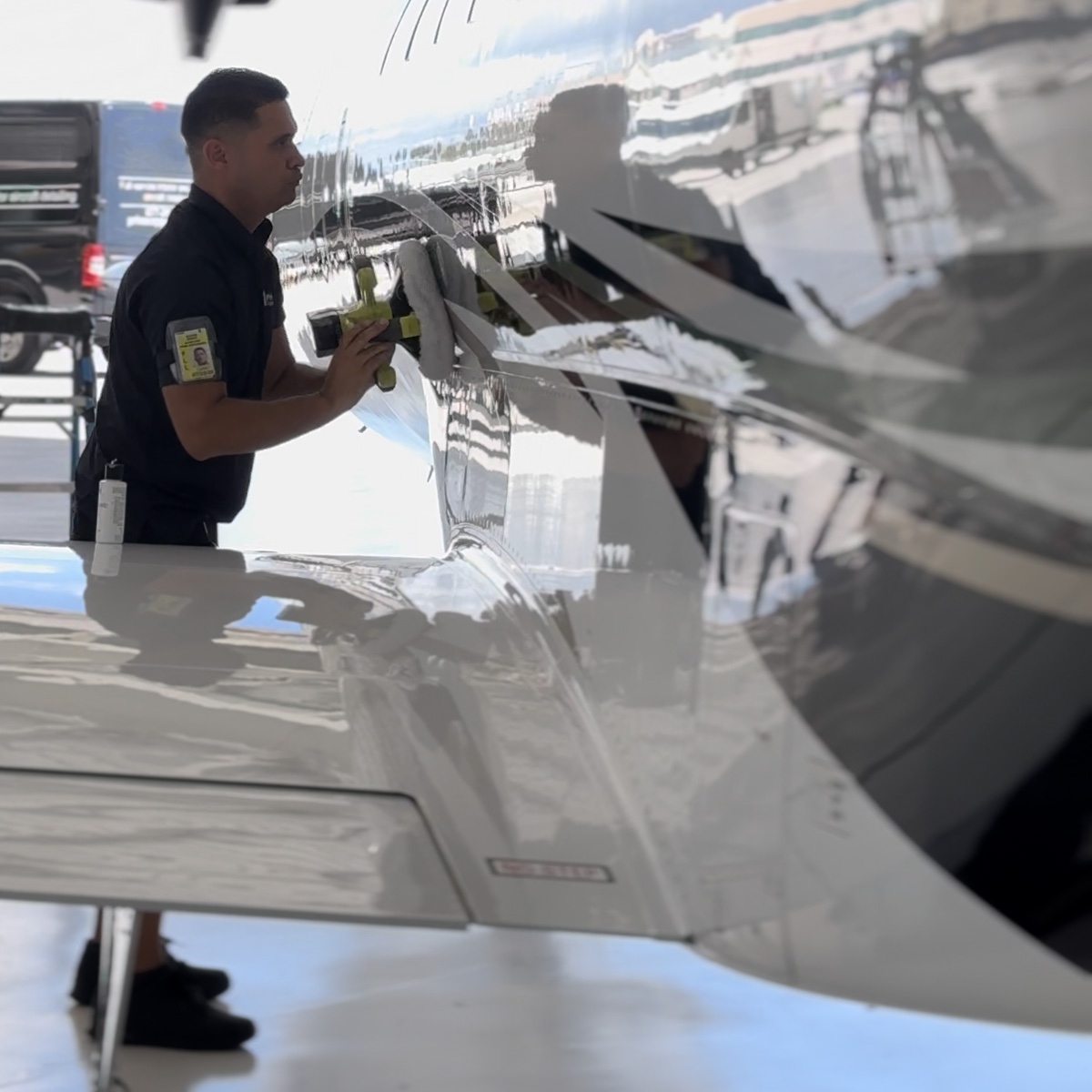
Topcoat Evaluation
Certified applicators inspect the aircraft’s paint condition and determine if paint correction needs to be carried out on some areas of the aircraft. While paint correction is usually not necessary for a Permagard application, an assessment allows the certified applicator to understand the substrate’s condition and identify any areas needing additional cleaning or polishing for uniform clarity, not correction. This is also the best time for the applicator to do a few test patches in order to determine which Permagard Pretreatment to use in tandem with the Permagard Coating to render the best results.
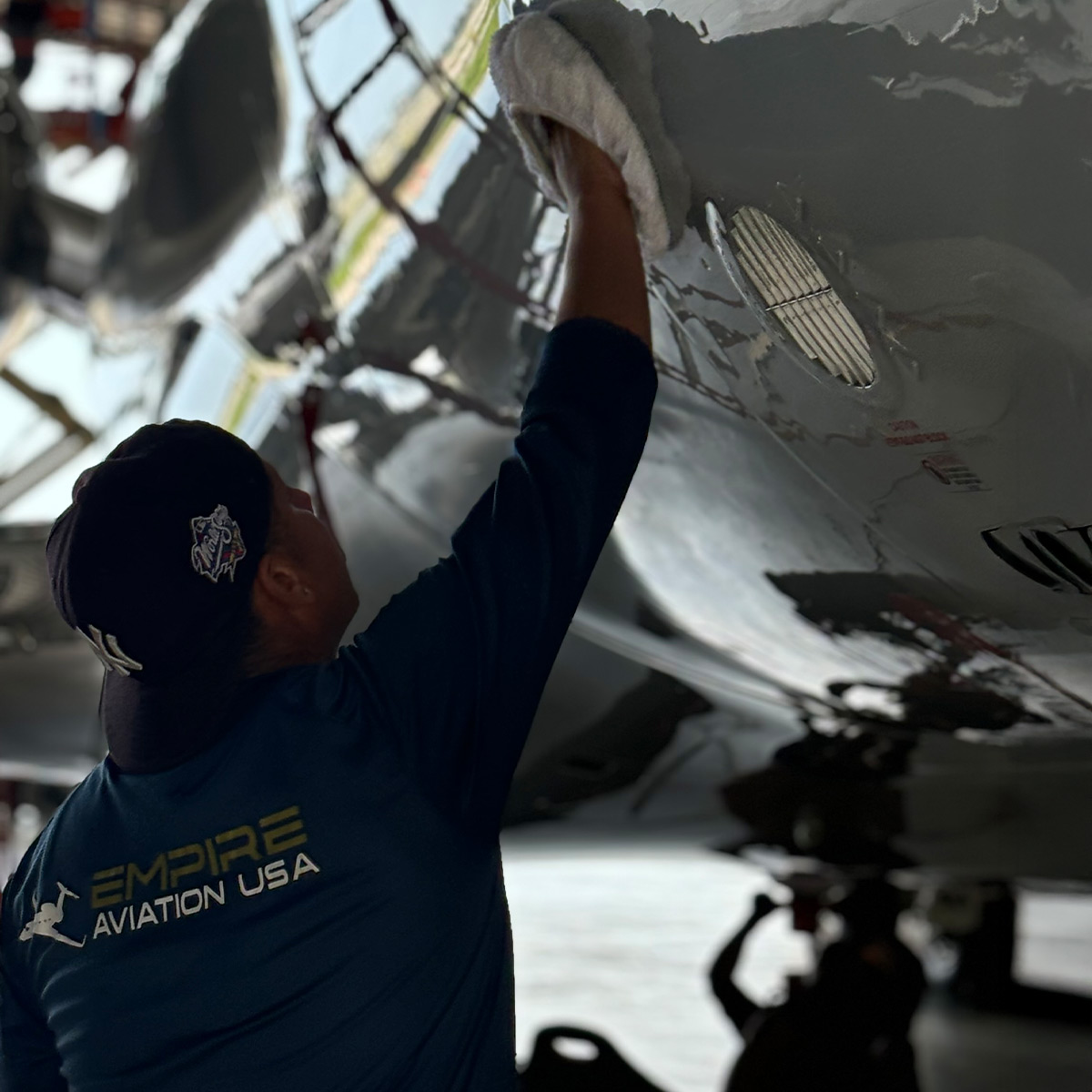
Permagard Pretreatment Application
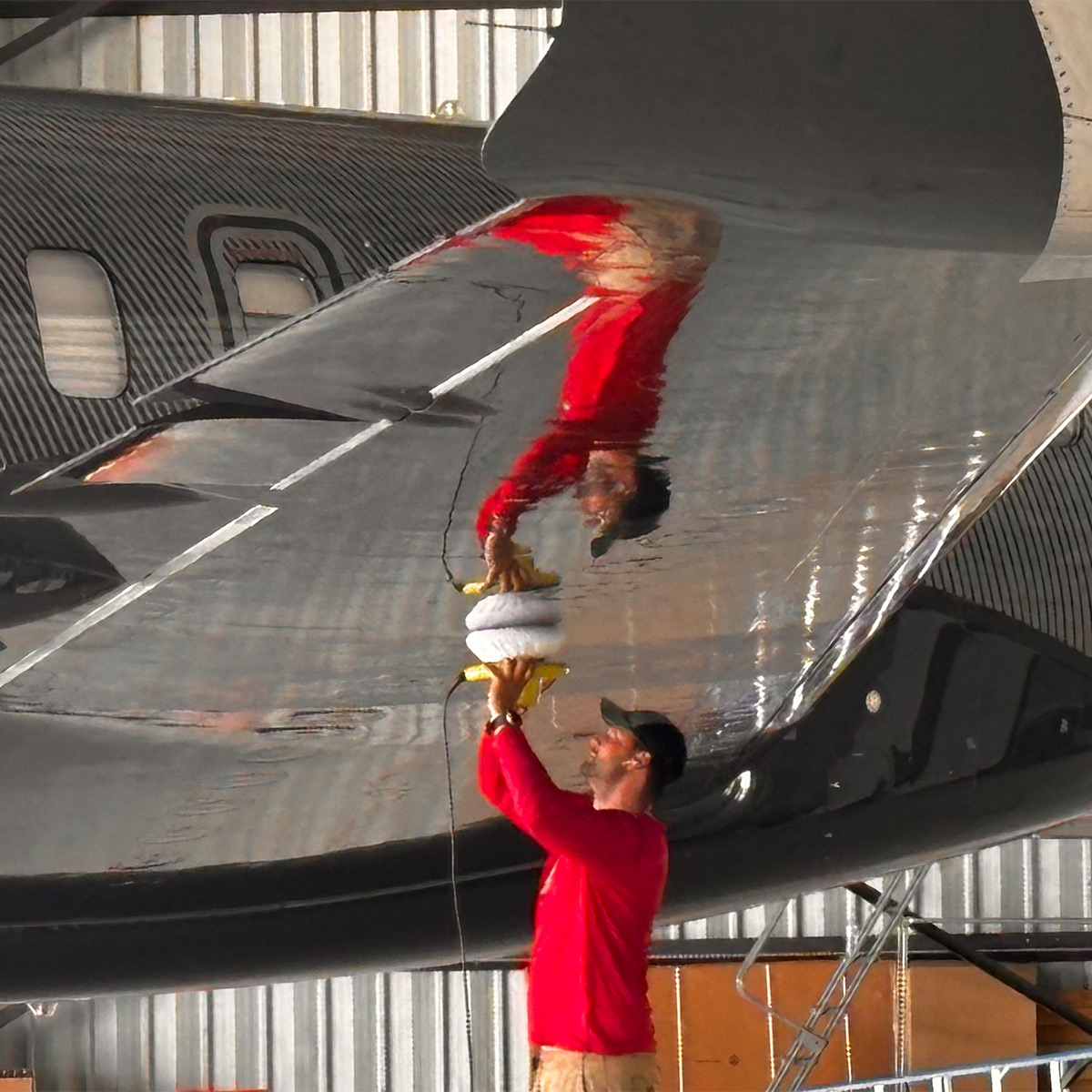
This is the most essential prep step for a Permagard application if you are not treating a brand new paint system. The Permagard Pretreatments effectively clean the surface by removing polishing oils, microscopic residues, and contaminants that traditional cleaners leave behind. They ensure the surfaces are chemically prepped, allowing the Permagard Coating to anchor securely and evenly for maximum efficiency to create a perfect appearance.
Permagard Coating Application
The Permagard Coating is then applied after the surface has been prepped with the Permagard Pretreatment. The coating will now bond more effectively with the treated surfaces and will result in a highly-durable protective layer that will keep shining for many years to come. This is all due to following the Permagard process and applying the Permagard Pretreatment, ensuring no shortcuts are taken and all Permagard applications are carried out to the best of the certified applicator’s ability for their customers.
Common Preparation Mistakes to Avoid
Skipping the Permagard Pretreatment
This step should never be skipped when applying Permagard to used paint or old paint, especially if a surface has just been compounded (paint correction). The Permagard Treatment for Very Damaged Surfaces Pretreatment (AV303) must be applied after a paint correction process, prior to the application of the Permagard Coating. Skipping this step will affect the overall durability of the Permagard Coating.
Using Wax-Based or Silicone-Containing Products
These products interfere with Permagard’s molecular bonding process and should be avoided entirely when installing Permagard.
Applying on Hot, Sun-Exposed, or Wet Surfaces
It is imperative to remember to avoid applying any Permagard product to a surface that is hot to touch, in direct sunlight, or is wet (rain, water, or condensation).
Performing Unnecessary Paint Correction
Not only is it not required to apply Permagard, but improper correction can weaken clearcoat layers and thin down valuable painted surfaces over time, especially for aircraft.

Why Certified Application Matters
Permagard-certified applicators have been trained to assess surface chemistry, substrate condition, and pretreatment requirements specific to aviation surfaces. Permagard-certified installations result in:
Correct Pretreatment Use
Correct use cases for the Permagard Pretreatment
Proper Application Standards
Proper Permagard Coating application standards
Long-Term Protection
Maximum long-term gloss, reflectivity, and environmental protection
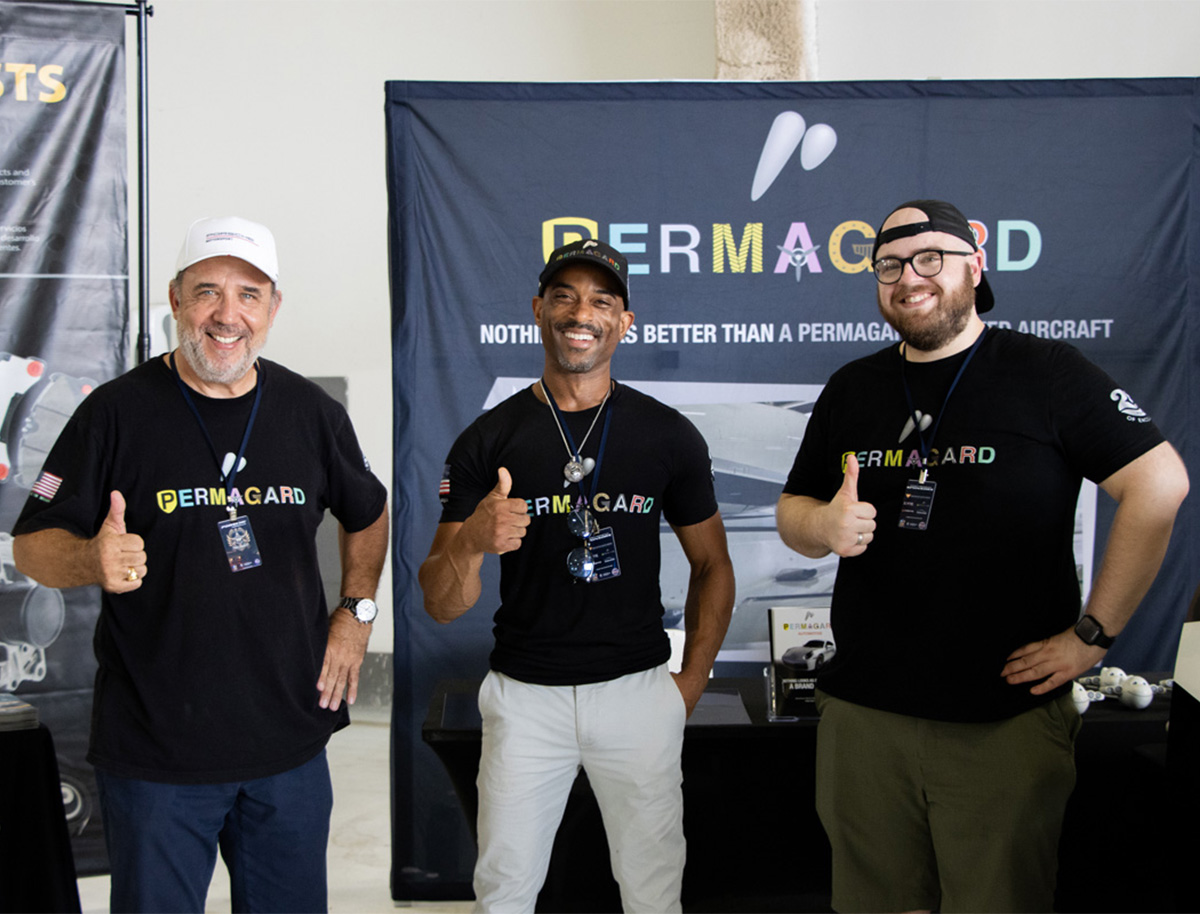
Permagard-certified application guarantees that the coating forms the deep, reactive bond it was engineered for: resisting UV degradation, oxidation, environmental attacks, and extreme temperatures.
Proper surface preparation is not a routine cleaning step; it is the foundation that determines coating performance. The Permagard Pretreatment ensures the painted surfaces are chemically optimized for bonding, making it an essential part of the Permagard application process. With proper pretreatment and professional installation, the Permagard Coating delivers its signature high-gloss finish and long-term protective performance, proving that results begin long before the coating touches the surface.
Contact Us Today To Learn More About The Permagard Pretreatment
If you are interested in learning more about the Permagard Pretreatment and how it is properly implemented into the Permagard process, contact our Permagard Headquarters office today at (305) 662-5070 during our regular business hours or email us at info@permagard.com for more information.
We look forward to hearing from you!
Gallery


